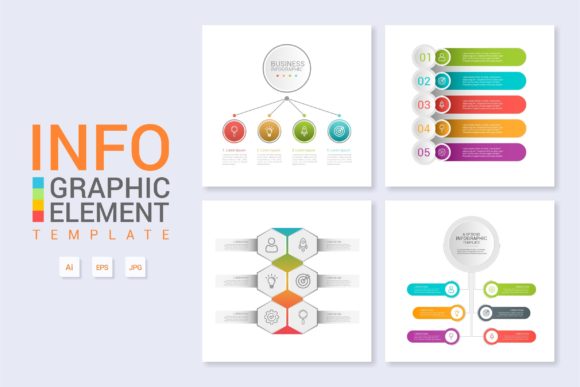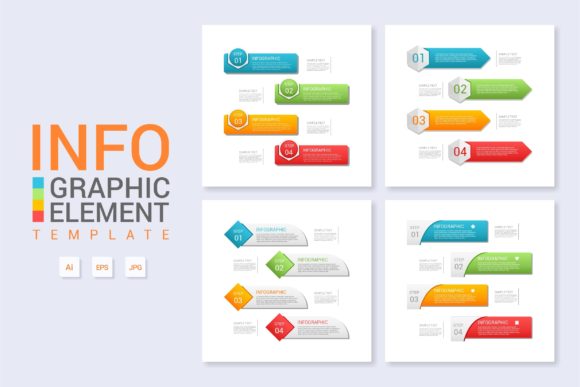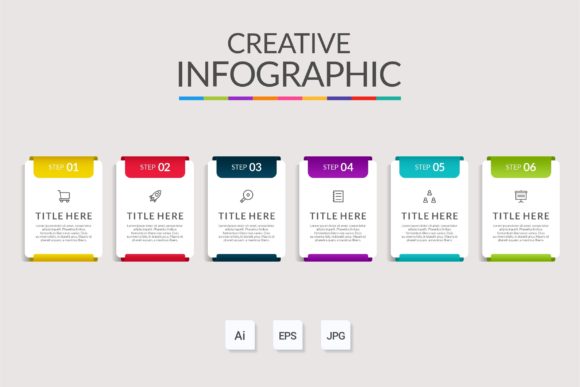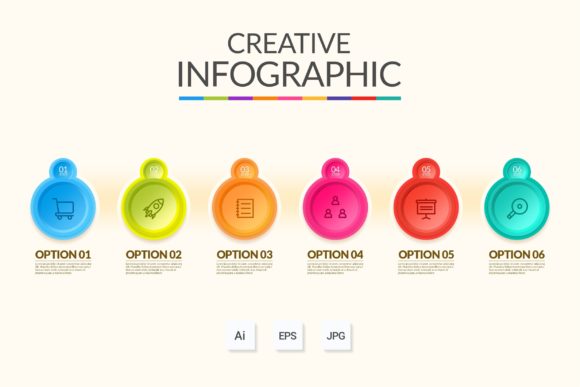
Infographic Template Vol.19: Streamlining Visual Communication for Modern Product Narratives
In an era where digital attention spans are measured in milliseconds, the ability to convey complex product information quickly and aesthetically is no longer a luxury—it is a fundamental business requirement. Infographic Template Vol.19 emerges as a critical asset in this landscape, specifically designed to bridge the gap between raw data and compelling visual storytelling. This template collection is not merely a set of decorative graphics; it is a structured communication framework tailored for "About the Product" narratives, workflow layouts, banners, diagrams, and comprehensive web design elements. For professionals ranging from marketers and entrepreneurs to educators and freelancers, this volume represents a shift toward efficient, high-impact visual content creation that respects both the creator's time and the audience's cognitive load.
The Evolution of Product Storytelling in Digital Workflows
The way audiences consume product information has undergone a significant transformation over the last decade. We have moved past the era of dense text blocks and static spec sheets. Today’s users, whether they are B2B decision-makers or everyday consumers, expect immediate clarity. They scan before they read, looking for visual anchors that validate relevance before committing to deeper engagement. This behavioral shift has elevated the infographic from a supplementary marketing asset to a primary interface for product education.
Infographic Template Vol.19 addresses this evolution by prioritizing modularity and narrative flow. Unlike generic templates that force content into rigid boxes, this volume acknowledges that modern product stories are non-linear. A SaaS company might need to explain a user onboarding workflow, while a physical product manufacturer might need to highlight sustainability sourcing through a diagram. The template’s versatility allows it to adapt to these varying contexts without losing its cohesive visual identity. This adaptability is crucial in current creative workflows where assets must often be repurposed across websites, social media banners, pitch decks, and internal documentation.
Technical Architecture: Layered Organization and File Flexibility
For designers and non-designers alike, the friction of editing can often outweigh the benefits of using a template. A poorly constructed file with merged layers, obscure naming conventions, or missing dependencies can turn a quick update into a hours-long troubleshooting session. Infographic Template Vol.19 distinguishes itself through rigorous technical organization. Everything is layered and logically grouped, reflecting a professional understanding of how creative files are actually used in production environments.
The inclusion of both Main AI (Adobe Illustrator) and Main EPS files ensures broad compatibility across different software versions and user skill levels. While AI files offer the full spectrum of vector editing capabilities for advanced customization, EPS files provide a universal standard that maintains vector integrity for those working in alternative software or older versions. This dual-format approach democratizes access to high-quality design, allowing a freelance marketer with basic skills to achieve results comparable to a dedicated graphic designer.
Furthermore, the commitment to using free fonts eliminates one of the most common pain points in template usage: licensing ambiguity and broken text links. By relying on accessible typography, the template ensures that users can open, edit, and publish their work without legal concerns or unexpected costs. This practical consideration underscores a user-first design philosophy that values functionality as much as aesthetics.
Practical Applications Across Diverse Professional Contexts
The true value of Infographic Template Vol.19 lies in its application across varied professional scenarios. It serves as a visual shorthand that translates abstract concepts into tangible understanding. Consider the following practical implementations:
- Workflow Layouts for Internal Training: HR departments and team leads can utilize the diagram components to map out new operational procedures. Instead of writing a ten-page manual on a new CRM implementation, a visual workflow reduces cognitive resistance and improves retention rates among staff.
- "About the Product" Web Sections: E-commerce sites and landing pages benefit immensely from structured product breakdowns. Using this template, businesses can create scannable feature highlights that sit above the fold, answering customer questions visually before they arise.
- Pitch Deck Enhancements: Entrepreneurs seeking funding often struggle to explain their business model succinctly. The banner and diagram elements provide a polished framework for illustrating market fit, revenue streams, or technological architecture during investor presentations.
- Educational Content Creation: Educators and course creators can transform dry lesson material into engaging visual aids. Complex theories or historical timelines become accessible when presented through organized, color-coded layouts.
In each of these instances, the template acts as a scaffold. Users simply change the text and adjust colors to match their brand guidelines, bypassing the blank canvas paralysis that often stalls creative projects.
Balancing Customization with Consistency
One of the persistent challenges in scalable content creation is maintaining brand consistency while producing high volumes of assets. When multiple team members create visuals, the result can often look disjointed. Infographic Template Vol.19 provides a unified design system that enforces visual harmony. Because the underlying grid systems, spacing rules, and typographic hierarchies are pre-established, every output derived from this volume feels like part of a cohesive family.
This consistency is vital for building trust. In web design and marketing materials, visual coherence signals professionalism and reliability. When a user encounters a well-structured diagram on a website, followed by a similarly styled banner in an email newsletter, the subconscious association reinforces brand recognition. The template’s "easy to modify" nature does not mean sacrificing structure for speed; rather, it means leveraging established design principles to produce consistent quality at scale.
The Role of Vector Graphics in Responsive Design
As web design continues to prioritize responsiveness and performance, the technical format of visual assets matters more than ever. Raster images (like JPEGs or PNGs) can become pixelated on high-resolution displays or bloat page load times when scaled. The vector-based nature of Infographic Template Vol.19 ensures crisp rendering on any device, from mobile phones to 4K monitors.
Moreover, vectors are inherently lightweight. For web designers integrating these infographics into site layouts, this means faster load times and better Core Web Vitals scores—factors that directly influence SEO rankings and user experience. The ability to export specific elements as SVG code further integrates these graphics into modern development workflows, allowing for interactive hover states or animations that static images cannot support. This forward-looking compatibility ensures that investments made in this template today remain relevant as display technologies evolve.
Strategic Implementation for Maximum Impact
Owning a powerful tool is only the first step; using it strategically determines its ROI. When utilizing Infographic Template Vol.19, creators should focus on information architecture before aesthetic tweaking. Start by distilling the core message. What is the single takeaway the audience needs? Structure the layout to lead the eye toward that conclusion. Use the template’s hierarchy to emphasize key data points while relegating supporting details to secondary positions.
Additionally, consider the context of consumption. A banner intended for LinkedIn requires different density and sizing than a diagram embedded in a technical whitepaper. While the template is versatile, effective communication requires adapting the level of detail to the platform. Avoid the temptation to fill every empty space; white space is an active design element that guides focus and prevents overwhelm. The organized layer structure facilitates this selective editing, allowing users to hide or remove elements without breaking the overall composition.
Empowering Non-Designers in a Visual Economy
We are operating in a visual economy where the barrier to entry for professional-grade design is lowering, but the standard for quality remains high. Infographic Template Vol.19 empowers individuals who possess deep subject matter expertise but lack formal design training. By providing a robust, professionally crafted foundation, it allows experts to communicate their knowledge effectively without needing to outsource every visual asset.
This empowerment has broader implications for organizational agility. When teams can produce their own diagrams and product explanations in-house, feedback loops tighten. Revisions happen in real-time rather than waiting days for agency turnaround. The "simply change the text" capability transforms visual creation from a specialized bottleneck into a fluid part of the general workflow. This agility is particularly valuable for startups and small businesses where resources are limited and speed of execution is a competitive advantage.
Future-Proofing Visual Assets
Trends in graphic design cycle rapidly, but the principles of clear information design remain constant. Infographic Template Vol.19 avoids fleeting stylistic gimmicks in favor of timeless clarity. Its clean lines, balanced proportions, and functional aesthetics ensure that content created today will not look dated six months from now. This longevity maximizes the return on investment for the template.
Furthermore, the modular nature of the files supports future expansion. As products evolve or services expand, existing infographics can be updated or extended without starting from scratch. New sections can be added using the same design language, preserving continuity across years of content production. This scalability makes the template not just a one-time purchase, but a long-term component of a sustainable content strategy.
Ultimately, Infographic Template Vol.19 represents a convergence of artistic quality and practical utility. It respects the demands of modern digital communication, the technical requirements of professional workflows, and the human need for clear, accessible information. Whether used for a critical product launch, an internal process map, or an educational resource, it provides the structural integrity needed to turn complex ideas into clear, actionable visuals. In a world saturated with noise, such clarity is the ultimate competitive edge.