Streamlining Visual Communication with Infographic Template Vol.8
In the fast-paced world of digital design and content marketing, the ability to convey complex information quickly is a superpower. Audiences rarely have the patience for dense paragraphs when a visual summary could do the job in seconds. This is where specialized assets like Infographic Template Vol.8 become essential tools in a modern creator's arsenal. Rather than starting from a blank canvas every time you need to explain a product feature or map out a workflow, this template provides a structured, professional foundation that bridges the gap between raw data and compelling storytelling.
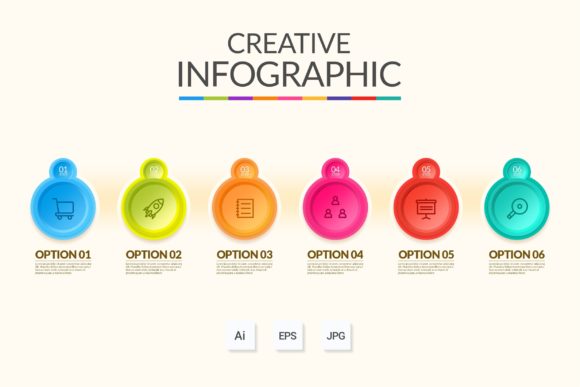
The primary appeal of this specific volume lies in its focus on "About the Product" layouts. While generic infographic templates often force you to shoehorn your content into ill-fitting shapes, Vol.8 is engineered specifically for product showcases, technical diagrams, and process explanations. Whether you are designing a banner for a landing page, creating a diagram for an investor deck, or laying out a web design mockup, the versatility of this asset ensures that your message remains clear without sacrificing aesthetic quality.
The Architecture of Organized Design Files
One of the most significant pain points for designers and marketers alike is opening a template only to find a chaotic mess of unlabelled layers and grouped objects. Efficiency is lost not in the creation phase, but in the deciphering phase. Infographic Template Vol.8 addresses this directly through meticulous file organization. Everything is layered and logically named, meaning you can navigate the document structure intuitively.
This level of organization is not just a convenience; it is a productivity multiplier. When you are working under a tight deadline to update a workflow layout or adjust a banner size, being able to instantly locate the text layer or the background element saves valuable mental energy. The template respects your time by ensuring that the technical aspect of editing never becomes a bottleneck. This clean architecture also makes it easier for teams to collaborate, as new team members can understand the file structure without requiring a lengthy handover explanation.
Versatility Across Workflows and Web Design
Modern projects rarely exist in a vacuum. A single visual asset often needs to serve multiple purposes across different platforms. This template excels because it is designed with adaptability in mind. Consider a scenario where you are launching a new software tool. You might need a detailed diagram for the user manual, a simplified banner for social media, and a comprehensive workflow layout for the sales page.
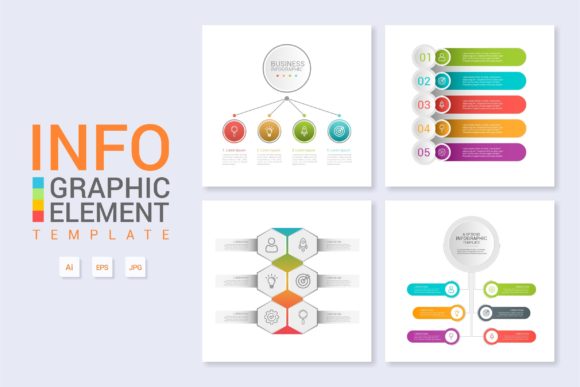
- Workflow Layouts: The template includes structured grids and flowchart elements that make mapping out user journeys or internal processes straightforward. These aren't rigid boxes but flexible frameworks that guide the viewer’s eye logically from step one to completion.
- Banner Creation: With easily adjustable dimensions and scalable vector graphics, transforming a vertical infographic into a horizontal web banner requires minimal effort. The design integrity remains intact regardless of the aspect ratio.
- Web Design Integration: For UI/UX designers, this template serves as excellent placeholder content or final production art. It fits seamlessly into modern web layouts, providing high-quality visuals that enhance user engagement without slowing down development cycles.
This cross-functional utility means you aren't just buying a single graphic; you are acquiring a system for visual communication that adapts to the specific needs of your current project.
Simplifying Customization: Text and Typography
A beautiful template is useless if you cannot change the messaging to fit your brand voice. The hallmark of a truly helpful design asset is how simply you can modify the core content. With Infographic Template Vol.8, the emphasis is on accessibility. You do not need to be an advanced illustrator to make meaningful changes. The text areas are clearly defined, allowing you to swap out placeholder copy with your own product descriptions, statistics, or headlines in moments.
Furthermore, the inclusion of free fonts removes a common friction point in the design process. There is nothing more frustrating than downloading a template only to discover it relies on expensive, obscure typefaces that break your budget or licensing compliance. By utilizing free, commercially viable typography, this template ensures that what you see in the preview is exactly what you can produce in your final output. This attention to practical usability demonstrates an understanding of real-world constraints faced by freelancers, agencies, and in-house marketing teams.
Technical Flexibility: AI and EPS Formats
Professional environments demand professional file formats. Relying solely on raster images limits your ability to scale and print with confidence. This template package includes both Main AI (Adobe Illustrator) and Main EPS files, covering the spectrum of industry-standard workflows.
The Main AI File offers full editability for those working within the Adobe ecosystem. You can manipulate vectors, adjust colors globally, and reshape elements without any loss of quality. This is crucial for branding consistency, allowing you to match the infographic precisely to your corporate color palette. Meanwhile, the Main EPS File provides universal compatibility. If you are handing off files to a printer, a client using different software, or a developer embedding assets into a CMS, the EPS format ensures broad accessibility while maintaining vector sharpness.
Having both formats available future-proofs your asset library. Technology stacks change, team members rotate, and software preferences evolve, but vector-based source files remain the gold standard for scalable design.
Enhancing User Experience Through Visual Hierarchy
Beyond the technical specifications, it is important to discuss why this style of templated design actually works for end-users. Good infographics are not just about making data look pretty; they are about cognitive load management. When explaining a product or a workflow, you are asking the audience to learn something new. Infographic Template Vol.8 leverages established principles of visual hierarchy to make this learning process effortless.
The layout uses spacing, contrast, and directional cues to guide attention. Important product features are highlighted naturally, while supporting details are relegated to secondary positions. This prevents the "wall of text" effect that causes bounce rates to spike on websites and disengagement in presentations. By using a pre-designed framework that already embodies these UX principles, you ensure that your content is consumed effectively even if you lack formal training in information design.
Consider the impact on conversion rates for e-commerce or SaaS products. Customers are more likely to purchase when they understand exactly how a product solves their problem. A well-structured diagram reduces ambiguity. It answers questions before they are asked. When you utilize a template designed with this intent, you are essentially borrowing the expertise of professional information architects to boost your own business metrics.
Practical Considerations for Implementation
Before integrating this template into your next campaign, there are a few practical factors to keep in mind to maximize its value. First, assess your content volume. This template shines when you have structured data or sequential information. If your message is purely emotional or abstract, a different artistic approach might be better. However, for specs, timelines, comparisons, and tutorials, it is ideally suited.
Secondly, consider your brand guidelines. Because everything is organized and easy to modify, take the initial time to set up your master styles. Change the global colors and replace the fonts with your brand equivalents immediately upon opening the file. This creates a reusable master version of Infographic Template Vol.8 that is permanently aligned with your identity, making future updates even faster.
Finally, remember that templates are starting points, not finish lines. While the layout is robust, your unique value proposition should drive the customization. Use the structure to organize your thoughts, but don't let the design dictate your narrative. Add your own icons, incorporate product photography where appropriate, and tweak the spacing to give your specific content room to breathe. The goal is to make the template disappear so that only your message remains visible.
Ultimately, adopting resources like this is about shifting focus from pixel-pushing to strategy. When the heavy lifting of layout and organization is handled by a reliable, layered, and professionally constructed asset, you reclaim the creative bandwidth needed to refine your messaging and connect with your audience. In an era where speed and clarity define success, having the right tools is not a luxury—it is a necessity for effective communication.