Visualizing Authority: Leveraging Personal Branding Rules Vector Templates for Strategic Growth
In the current digital ecosystem, personal branding has transcended simple self-promotion to become a critical business asset. For professionals, creators, entrepreneurs, and marketers, the challenge is no longer just about having a message; it is about articulating that message with visual precision and strategic clarity. This is where the Personal Branding Rules Vector Template becomes an indispensable tool. It serves as more than a graphic resource; it acts as a structural framework that translates abstract professional values into tangible, scalable visual assets.
The modern marketplace demands consistency across fragmented platforms. Audiences expect a cohesive narrative whether they are viewing a LinkedIn post, a pitch deck, or a personal website. Utilizing a comprehensive vector-based system allows brands to maintain this cohesion without sacrificing creativity or spending excessive hours on design iteration. By integrating these templates into your workflow, you align your visual identity with broader industry standards while retaining the flexibility to adapt to emerging trends in technology and consumer behavior.
The Shift Toward Systematic Visual Communication
We are witnessing a significant shift in how personal brands are constructed and consumed. The era of ad-hoc graphics and inconsistent styling is fading, replaced by a demand for systematic design thinking. Professionals are increasingly treating their personal brand with the same rigor as corporate entities. This evolution is driven by the saturation of digital content; to stand out, one must communicate authority instantly. A personal branding rules vector infographic template addresses this need by providing pre-validated visual hierarchies that guide the viewer’s eye and reinforce key messages.
This trend intersects with the rise of the creator economy and the freelance marketplace, where trust is the primary currency. Clients and collaborators often make split-second judgments based on visual presentation. When a freelancer uses polished, consistent data visualization or process charts, they signal professionalism and attention to detail. Conversely, disjointed visuals can undermine even the most expert advice. Therefore, these templates are not merely aesthetic choices; they are risk mitigation tools that protect and enhance professional reputation.
Adapting to Changing Workflows and Expectations
The relevance of vector templates is further amplified by changing workflows. Marketing teams and solopreneurs alike are operating under tighter deadlines with higher output expectations. The traditional model of hiring a designer for every single social media post or presentation slide is no longer sustainable for many. High-quality vector assets bridge this gap, enabling rapid production without compromising quality.
Furthermore, consumer preferences have shifted toward digestible, visually rich content. Long-form text is often supplemented or replaced by infographics and carousels that summarize complex ideas. A well-designed workflow layout with linear icons can explain a service offering faster than three paragraphs of copy. This preference for visual efficiency makes mastery of these templates a necessary skill for modern communicators who wish to remain relevant in an attention-scarce environment.
Core Components of Effective Personal Branding Assets
To maximize the utility of a Personal Branding Rules Vector Template, one must understand its constituent elements and how they function within a broader strategy. These templates typically encompass several critical categories that address specific communication needs:
- SMM Business Presentation Design Elements: These are tailored for social platforms and pitch decks, ensuring that slides and posts share a unified DNA. They include background textures, geometric shapes, and typography pairings that reinforce brand recall.
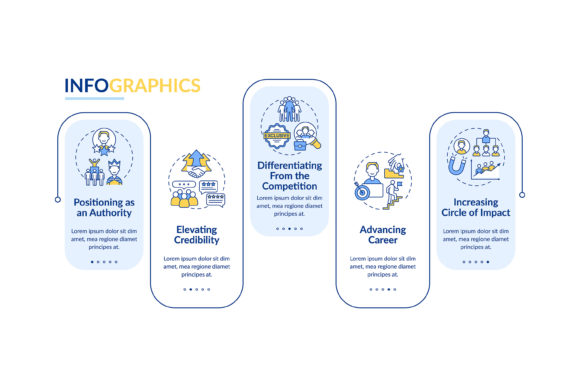
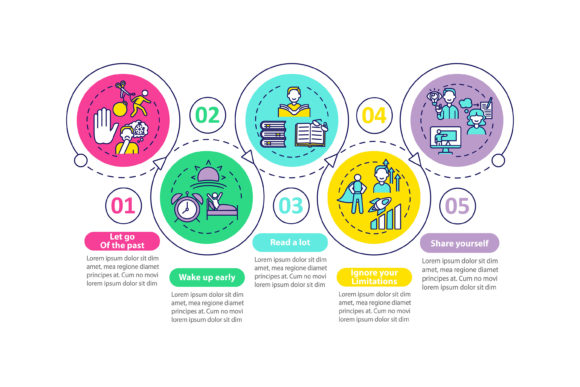
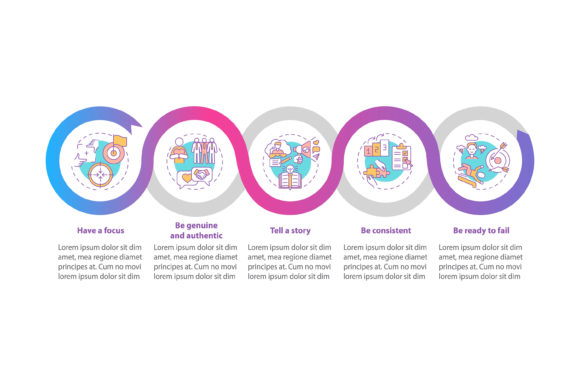
- Data Visualization with 5 Steps: Complex methodologies are best explained through structured frameworks. A five-step visualization breaks down processes into manageable chunks, making expertise accessible to clients and stakeholders.
- Process Timeline Chart: Trust is built on transparency. Timelines visualize project roadmaps, career trajectories, or product development cycles, setting clear expectations and demonstrating organizational competence.
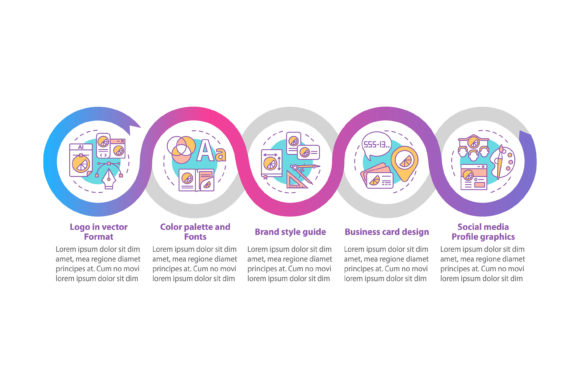
- Workflow Layout with Linear Icons: Minimalist linear icons reduce cognitive load. They provide a clean, modern aesthetic that works exceptionally well on mobile devices and high-resolution displays, ensuring clarity at any scale.
Each of these components serves a distinct psychological purpose. Data visualizations appeal to logic and reason, timelines build anticipation and trust, and consistent iconography creates a sense of familiarity. When combined within a single vector ecosystem, they create a powerful, multi-layered brand experience.
Technical Versatility: Why File Format Matters
A defining characteristic of professional-grade templates is technical versatility. The availability of files in JPG, EPS, PNG, SVG, and AI formats is not a trivial specification; it dictates the utility of the asset across different mediums. Understanding when and why to use each format is essential for maintaining brand integrity.
SVG (Scalable Vector Graphics) has emerged as the gold standard for web-based personal branding. Unlike raster images, SVGs remain crisp on retina displays and load efficiently, which is crucial for SEO and user experience. For print materials like business cards or conference banners, EPS and AI files provide the editability and resolution independence required by professional printers. PNG remains vital for transparent overlays in video editing and social media stories, while JPG serves as a universal fallback for legacy systems.
This multi-format approach future-proofs your brand assets. As new platforms emerge with different specifications, having source files in AI or EPS ensures you can always resize, recolor, or reconfigure your branding rules without starting from scratch. This adaptability is particularly important as we see the convergence of physical and digital branding in hybrid work environments and experiential marketing.
Strategic Implementation Beyond Aesthetics
While the visual appeal of a personal branding rules vector infographic template is immediate, its true value lies in strategic implementation. Successful professionals do not simply fill in the blanks; they use these templates to enforce discipline in their messaging. The "rules" aspect of the template acts as a guardrail, preventing brand dilution over time.
Consider the practical application for a consultant launching a new methodology. Instead of describing the framework verbally, they utilize a data visualization with 5 steps derived from their vector kit. This visual becomes synonymous with their intellectual property. Over time, the audience begins to associate that specific chart style with the consultant’s expertise. This is the essence of visual equity—owning a specific look and feel that communicates value before a single word is read.
Similarly, freelancers can use workflow layouts with linear icons to standardize their proposals. By presenting every client with the same professional onboarding visualization, they elevate their perceived value and justify premium pricing. The template transforms a routine administrative task into a branded touchpoint that reinforces reliability and sophistication.
Connecting to Larger Industry Developments
The adoption of these templates also reflects larger developments in the intersection of design and artificial intelligence. As AI tools become more prevalent in content creation, human curation and distinctive styling become differentiators. Generic AI-generated imagery often lacks the specific structural coherence of a dedicated vector system. By grounding your brand in a custom or curated vector template, you maintain a human-centric design language that stands apart from algorithmic noise.
Moreover, the emphasis on accessibility in modern design cannot be overstated. Vector templates designed with proper contrast ratios, legible typography, and semantic structure ensure that personal branding is inclusive. This aligns with both ethical standards and legal requirements in many jurisdictions, making these templates a responsible choice for forward-thinking professionals.
Cultivating a Forward-Looking Visual Identity
Ultimately, investing in a Personal Branding Rules Vector Template is an investment in longevity. Trends in color and typography will cycle, but the underlying principles of clear, structured visual communication remain constant. These templates provide a foundation that can evolve alongside your career or business.
For entrepreneurs and marketers, the ability to pivot quickly is paramount. When market conditions change, a vector-based system allows for rapid updates to messaging and visuals without a complete rebrand. You can adjust colors to reflect seasonal campaigns or modify process charts to showcase new services, all while maintaining the core identity that your audience recognizes.
In conclusion, the integration of systematic vector templates represents a maturation of the personal branding discipline. It moves the conversation from subjective aesthetics to objective strategy. By leveraging tools that offer data visualization, process timelines, and versatile file formats, professionals can navigate the complexities of the modern digital landscape with confidence. The result is a brand that is not only visually striking but also structurally sound, adaptable, and deeply resonant with contemporary audiences. As the lines between personal and corporate branding continue to blur, those who master these visual systems will define the next generation of industry leadership.