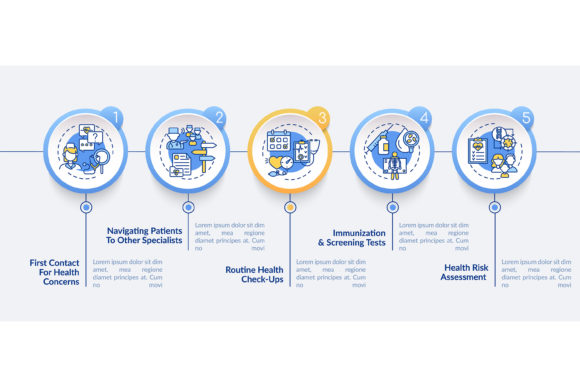
Family Doctor Tasks Vector Infographic Design
Transforming complex medical workflows into clear, accessible visuals is a cornerstone of effective healthcare communication, and a well-crafted Family Doctor Tasks Vector Infographic serves as the perfect bridge between clinical data and patient understanding. For graphic designers and marketers in the medical sector, finding the right visual assets is about more than just aesthetics; it is about functional clarity. When utilizing a family doctor tasks vector infographic template, professionals can streamline the creation of medicine service presentation design elements that are both informative and visually engaging. These resources allow creators to map out intricate care processes without overwhelming the audience, ensuring that vital health information is communicated with precision and empathy.
The Role of Process Visualization in Medical Branding
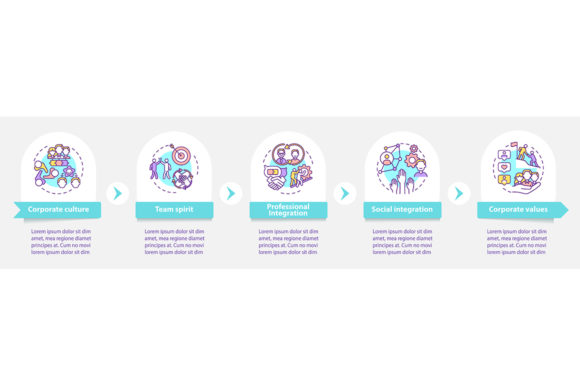
In modern visual design, particularly within healthcare branding, the ability to simplify information is paramount. A process timeline chart or a workflow layout with linear icons does more than decorate a slide deck; it establishes trust. Patients and stakeholders need to understand the journey of care, from initial consultation to follow-up. By employing structured data visualization with 5 steps, designers can create a narrative flow that guides the viewer’s eye logically through the content. This approach strengthens brand identity by associating the medical practice with organization, transparency, and professional competence.
High-quality vector assets are essential for maintaining this level of professionalism across various touchpoints. Whether designing for print brochures or digital interfaces, scalability ensures that every icon and line remains crisp. This consistency is vital for building a cohesive visual language that resonates with audiences and reinforces the credibility of the healthcare provider.
Practical Applications Across Creative Projects
Versatility is a key factor when selecting creative assets for medical design. A comprehensive infographic template supports a wide range of applications, ensuring that your design workflow remains efficient and consistent. Consider how these elements enhance different mediums:
- Marketing Materials: Use linear icons to break down text-heavy flyers or brochures, making services easier to scan and digest.
- Website and UI Design: Integrate process timelines into service pages to improve user experience and reduce bounce rates by clarifying what patients can expect.
- Social Media Graphics: Adapt the 5-step visualization into carousel posts that educate followers on preventive care or clinic procedures.
- Professional Presentations: Elevate stakeholder meetings with clean, editable diagrams that replace cluttered bullet points with meaningful visual data.
- Editorial Layouts: Enhance annual reports or medical journals with infographics that summarize statistical data or operational workflows.
Selecting and Customizing Your Design Assets
Choosing the right family doctor tasks vector infographic template requires an eye for both style and utility. Designers should prioritize files that offer flexibility without sacrificing structural integrity. Availability in multiple formats, including JPG, EPS, PNG, SVG, and AI, is non-negotiable for professional work. While JPG and PNG are suitable for immediate web use or mockups, EPS, SVG, and AI files are critical for editing, resizing, and integrating into larger brand systems.
When evaluating a template, consider the visual hierarchy and typography. The best templates provide ample negative space and customizable text areas that accommodate medical terminology without feeling cramped. Pay close attention to the color palette; healthcare design often relies on calming blues, greens, and clean whites to convey safety and hygiene. However, your chosen asset should allow for easy recoloring to match specific brand guidelines. Consistency in stroke weight and icon style is equally important. Mixing disparate visual styles can undermine the polished look necessary for medical communications, so ensure the linear icons share a unified aesthetic.
Enhancing Communication Through Thoughtful Design
Ultimately, the goal of using these design elements is to facilitate better communication. Data visualization is not merely about presenting facts; it is about storytelling. When a designer thoughtfully arranges a workflow layout, they are reducing cognitive load for the viewer. This is especially crucial in healthcare, where anxiety can impede comprehension. By leveraging high-quality vector graphics, you ensure that the focus remains on the message rather than struggling with poor execution.
Investing in premium creative assets like a family doctor tasks vector infographic template pays dividends in both time saved and impact achieved. It allows designers to focus on customization and strategy rather than drawing basic shapes from scratch. When typography, color, and composition align seamlessly, the result is a professional presentation that honors the seriousness of medical service while remaining accessible and engaging. Thoughtful design choices do not just improve aesthetics; they actively contribute to better health outcomes by ensuring information is understood, remembered, and acted upon.