Creative Business Infographic Banner Design Guide
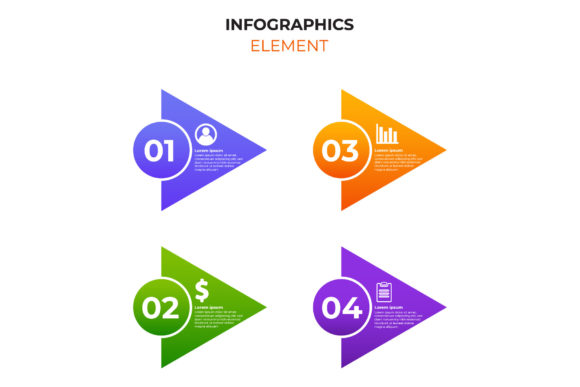
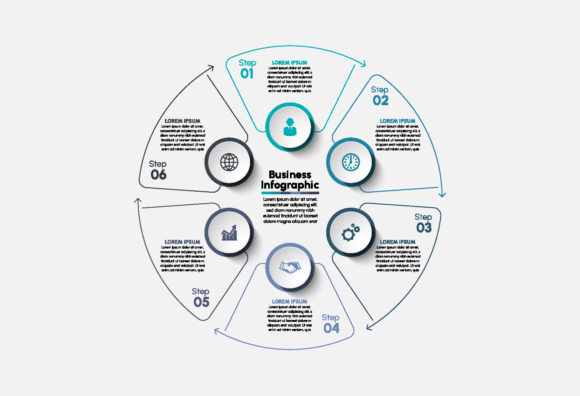
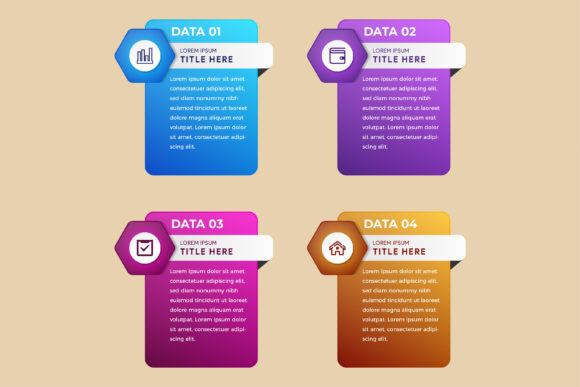
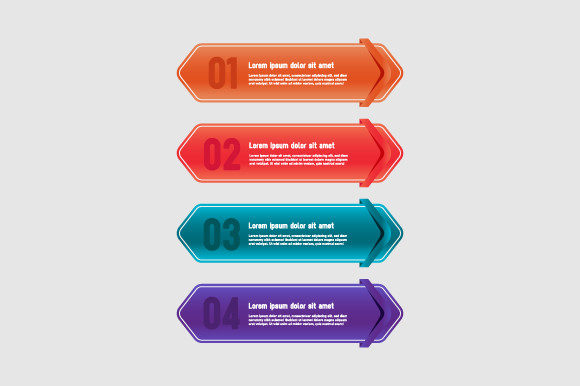
Visual communication is the cornerstone of modern digital engagement, yet many professionals struggle to bridge the gap between raw data and compelling storytelling. A Creative Business Infographic Banner serves as this essential link, transforming complex information into an accessible, aesthetically pleasing format that captures attention immediately. Unlike standard decorative headers, these banners are functional design assets engineered to convey specific messages, highlight key statistics, or guide viewer navigation through visual hierarchy. For marketers, educators, and business owners, utilizing a professionally structured banner template eliminates the guesswork of layout design while ensuring that critical information is not lost in translation.
The true value of these design resources lies in their versatility across different media platforms. Whether you are updating a corporate LinkedIn page, designing an educational course module, or creating promotional material for a product launch, the ability to deploy a cohesive visual identity is paramount. These banners provide a pre-established grid system and color theory foundation, allowing users to focus on content accuracy rather than pixel alignment. By integrating infographic elements directly into the banner format, you create a dual-purpose asset that acts as both a branding tool and an informational resource, significantly increasing the utility of your digital real estate.
Streamlining Production with Multi-Format Vector Assets
One of the most significant advantages of acquiring a comprehensive design package is the inclusion of multiple file formats tailored to distinct stages of the production workflow. Access to AI (Adobe Illustrator) and EPS files ensures that designers retain full editability over every vector path, anchor point, and gradient mesh. This is critical for professionals who need to adapt a generic template to strict brand guidelines. You can modify stroke weights, adjust typography kerning, and recolor individual graphical elements without any loss of quality. The vector nature of these source files means that whether you are printing a large-format trade show display or optimizing for a mobile screen, the lines remain crisp and the colors stay accurate.
For users who may not have access to advanced vector software or require quick turnaround times, the inclusion of SVG, PNG, and JPG files provides immediate usability. SVG files are particularly valuable for web-based infographics because they are code-based vectors that scale infinitely within a browser while maintaining a tiny file size. This supports faster page load speeds and better SEO performance compared to raster alternatives. Meanwhile, high-resolution PNGs with transparent backgrounds allow for seamless layering over existing website themes or presentation slides, and JPGs serve as reliable fallbacks for email newsletters or social media platforms that do not support vector rendering. Having this complete ecosystem of files prevents technical bottlenecks when collaborating with teams that possess varying levels of design proficiency.
Enhancing Data Comprehension Through Visual Hierarchy
The primary function of a Creative Business Infographic Banner is to reduce cognitive load for the viewer. When presented with dense text or unformatted tables, audiences often disengage. Effective banner design utilizes spatial organization to chunk information into digestible segments. By using pre-designed element layouts, you can leverage established psychological principles of reading patterns, such as the F-pattern or Z-pattern, to guide the eye naturally from the headline to the supporting data points. This is especially relevant for financial reports, quarterly reviews, or educational summaries where the relationship between data points matters more than the individual numbers themselves.
Consider a scenario where a freelance consultant needs to present market research findings to a potential client. Using a standard slide deck might result in information overload. However, employing a creative infographic banner as a section divider or summary slide creates a visual anchor that reinforces the narrative. The decorative elements included in these templates—such as icons, connecting lines, and chart placeholders—are not merely ornamental; they serve as cognitive cues that help the audience categorize and retain information. This strategic use of decoration transforms passive viewing into active comprehension, making your presentations more persuasive and memorable.
Practical Applications Across Professional Sectors
Different industries derive unique benefits from customizable infographic banners based on their specific communication challenges. Understanding these nuances helps in selecting and adapting the right design elements for your needs.
- Digital Marketers and Content Creators: Blog posts with relevant visuals receive significantly more shares and backlinks. A custom infographic banner at the top of an article increases dwell time by providing a visual summary of the content below. The editable vector files allow marketers to update statistics seasonally without redesigning the entire graphic from scratch.
- Educators and Trainers: Learning management systems often suffer from sterile, text-heavy interfaces. Infographic banners can be used to visualize learning pathways, module prerequisites, or concept maps. The ability to export lightweight SVGs ensures that course materials remain accessible even on low-bandwidth connections.
- Small Business Owners: Budget constraints often prevent hiring full-time designers. These templates act as a force multiplier, enabling entrepreneurs to produce agency-quality social media headers, event flyers, and internal memos. The consistency achieved by using a unified design system builds brand trust over time.
- Corporate Communications Teams: Internal reporting requires clarity and professionalism. Standardized infographic banners ensure that departmental updates maintain a consistent look and feel across the organization, reinforcing corporate culture while making dry compliance or HR data more approachable.
Navigating Customization and Technical Considerations
While Creative Business Infographic Banners offer substantial efficiency gains, successful implementation requires thoughtful customization. A common pitfall is treating the template as a final product rather than a starting framework. To maximize effectiveness, users must evaluate whether the existing color palette aligns with accessibility standards, particularly regarding contrast ratios for text readability. The provided AI and EPS files make it straightforward to run global color replacements, but it is the user's responsibility to verify that the new combinations meet WCAG guidelines if the banner will be used on public-facing websites.
Another consideration is the balance between decoration and information density. It can be tempting to utilize every decorative element included in the package, but clutter undermines the purpose of an infographic. Effective design often involves subtraction. Users should assess which graphical components genuinely support the data narrative and remove those that distract. The modularity of vector files facilitates this editing process, allowing you to isolate and delete unnecessary groups or layers without damaging the core structure. Additionally, when working with PNG and JPG exports, always verify the resolution against your intended output medium. A banner optimized for Instagram dimensions will appear pixelated on a retina laptop display, so maintaining the master vector file is essential for future-proofing your assets.
Maximizing ROI Through Strategic Asset Management
The long-term value of these design files extends beyond a single project. By establishing a library of customized infographic banners, organizations can create a scalable visual language that accelerates future content creation. Instead of approaching each new campaign or report as a blank canvas, teams can iterate on proven layouts that have already resonated with their audience. This iterative approach not only saves time but also generates performance data that can inform future design decisions. For example, if analytics show that banners featuring circular progress indicators yield higher click-through rates than linear timelines, future designs can prioritize those specific elements.
Furthermore, the cross-compatibility of the provided file formats ensures longevity. Software versions change, and team members come and go, but industry-standard formats like EPS and SVG remain universally accessible. Investing in resources that offer this level of interoperability protects against vendor lock-in and ensures that your visual assets remain usable regardless of technological shifts. Whether you are a solo freelancer building a personal brand or a marketing director managing a global campaign, the combination of creative flexibility and technical robustness found in these banner designs provides a solid foundation for clearer, more effective visual communication.