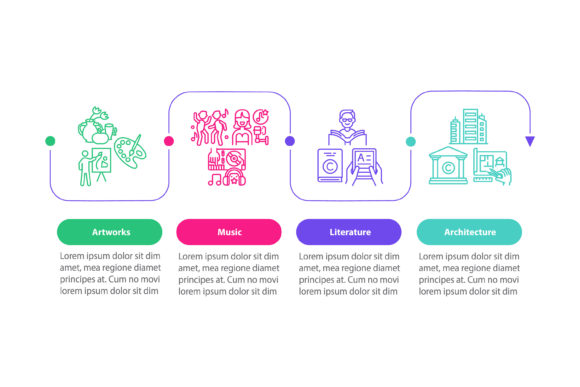
Copyrightable Items Vector Template Guide
Elevate your next creative project by integrating a Copyrightable Items Vector Template that seamlessly blends legal clarity with modern aesthetic appeal. In an era where intellectual property protection is as vital as visual storytelling, designers need assets that communicate ownership and process without sacrificing style. Whether you are crafting a pitch deck for architecture presentation design elements or outlining music licensing workflows, the right vector infographic template transforms complex legal concepts into accessible, engaging visuals. This approach not only safeguards creative work but also enhances the professional polish of your brand identity.
The Role of Visual Structure in IP Communication
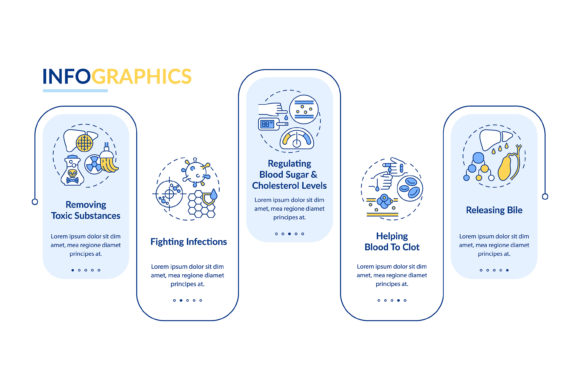
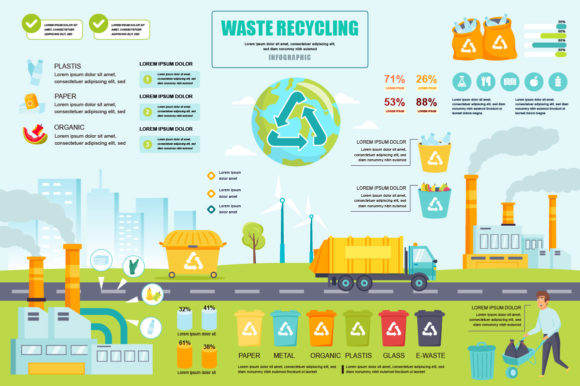
Modern graphic design relies heavily on structure to convey meaning quickly. When dealing with abstract concepts like copyright, a well-designed Copyrightable items vector infographic template provides the necessary visual hierarchy to guide the viewer’s eye. Instead of dense text blocks, designers can utilize data visualization with 4 steps to break down registration processes, usage rights, or licensing tiers. This method aligns with current UX design principles, ensuring that critical information is digestible and memorable.
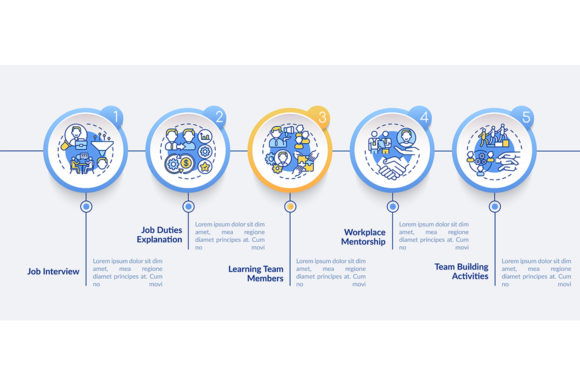
A process timeline chart is particularly effective in this context. It allows creators to map out the journey from creation to protection, using linear icons to represent each phase. This workflow layout reduces cognitive load, making it easier for clients, stakeholders, or audiences to understand the value of protected assets. By treating legal frameworks as a design element rather than an afterthought, you strengthen the overall narrative of your editorial design or web interface.
Practical Applications Across Creative Disciplines
Versatility is key when selecting creative assets. High-quality vector templates serve multiple functions across various design fields:
- Branding and Logo Design: Incorporate subtle IP markers or process diagrams into brand guidelines to demonstrate professionalism and attention to detail.
- Architecture and Music Presentations: Use specialized design elements to visualize project phases or royalty structures, adding depth to architecture presentation design elements and music industry decks.
- Digital Marketing and Social Media: Adapt infographic sections into carousel posts or stories to educate followers about copyright while maintaining visual consistency.
- Packaging and Merchandise: Integrate scalable vector graphics onto physical products or labels where space is limited but clarity is essential.
- UI and Web Design: Implement clean, responsive SVG assets that explain terms of service or user rights without disrupting the user experience.
Technical Flexibility and File Compatibility
Professional designers understand that usability extends beyond aesthetics; it encompasses technical adaptability. A premium Copyrightable Items Vector Template should offer comprehensive file type support including JPG, EPS, PNG, SVG, and AI formats. This range ensures compatibility across different stages of the design workflow. For instance, AI and EPS files are indispensable for print design and large-format advertising campaigns where infinite scalability is required without pixelation.
Conversely, SVG and PNG formats are crucial for digital marketing and UI design, offering crisp rendering on screens of all densities. Having access to these varied formats allows teams to maintain visual consistency whether they are producing high-resolution packaging design or lightweight social media graphics. This flexibility supports a cohesive brand identity across both digital and physical touchpoints, reinforcing trust through polished execution.
Selecting Assets for Maximum Impact
When evaluating design resources, prioritize templates that balance form and function. Look for assets that respect whitespace and utilize a harmonious color palette compatible with your existing brand system. Typography plays a significant role here; ensure the template uses legible, modern typefaces that complement your primary fonts rather than competing with them. The goal is to enhance communication, not create visual noise.
Consider the audience's expectations and the specific design goals of the project. A workflow layout intended for legal professionals may require more detailed iconography and formal typography, whereas a version aimed at musicians or architects might benefit from more expressive, industry-specific imagery. Always test scalability and readability at various sizes to ensure the visual hierarchy remains intact. Thoughtful selection of these creative assets ultimately bridges the gap between legal necessity and compelling visual communication, resulting in designs that are both protective and persuasive.